Empowering Lives: Navigating Childhood Cancer Through Awareness, Support, and Advocacy
Childhood cancer is a journey no child or family should have to undertake alone. Each year, thousands face the battle against tumors and, while the statistics can feel overwhelming, the stories of survival and hope shine just as brightly. This blog aims to shed light on the critical role of tumor education in childhood cancer advocacy. By raising awareness about oncology issues regarding tumors, we can empower families and communities to advocate for better healthcare solutions and support systems. Are you ready to explore how knowledge can transform lives?
As we dive into the realm of tumor awareness, it becomes clear that education is the backbone of effective cancer advocacy. With so many types of tumors affecting children, it’s imperative for parents, healthcare providers, and the community to recognize the potential symptoms of cancer early on. Remember the phrase, 'knowledge is power'? In the context of cancer education, it can save lives. If a child can receive prompt diagnosis and appropriate cancer treatment, their chance of survivorship increases exponentially. How might your understanding of cancer symptoms play a vital role in a child’s future health?
Support groups are invaluable resources in the journey of childhood cancer. They not only provide emotional support, but they also serve as platforms for sharing important health information. Imagine a space filled with the compassionate voices of those who have walked similar paths, sharing their stories and triumphs over adversity. Patient testimonials are powerful tools that help raise awareness, demonstrating that behind every statistic, there's a human life with hopes, dreams, and a spirit that refuses to give in. Have you ever thought about how your story could inspire others within this cancer community?
The importance of awareness campaigns cannot be understated. These initiatives not only educate parents about the importance of early detection but also encourage medical research and better funding for oncology treatments. When communities come together to participate in these campaigns, they ensure that childhood cancer is not just a statistic but a collective concern. Picture this: schools hosting events, businesses supporting fundraising, and families rallying to champion the cause. This united front can lead to breakthroughs in cancer prevention and treatment options. What steps can you take today to join these efforts for a brighter future in childhood cancer advocacy?
As we reflect on the journey of raising awareness for childhood cancer, let’s not forget the importance of holistic health. It encompasses physical, emotional, and mental well-being, creating a foundation for resilience in children battling cancer. When we promote cancer education and empower families with knowledge, we cultivate a supportive environment fostering healing and growth. So, let’s come together as a community – advocating for education, supporting those in need, and celebrating the incredible strength of childhood cancer survivors. How will you advocate for change today?
Building a Supportive Community: How Emotional and Holistic Health Shape Survivorship
Imagine a young child, full of hope and dreams, suddenly faced with the daunting challenge of childhood cancer. How do we as a community respond to such an emotional upheaval? Building a supportive community is essential for cancer survivors and their families, as emotional and holistic health profoundly influence their journey. Cancer education and awareness campaigns play a pivotal role in transforming this landscape—not just in understanding oncology, but in nurturing the well-being of those affected. As we explore how emotional support and holistic health practices contribute to survivorship, let's consider how we can be proactive in creating a more compassionate healthcare environment for childhood cancer patients.
Survivorship begins long before the last round of cancer treatment; it is a continuous journey that requires a collaborative approach from all involved. Support groups provide a safe space for patients and families to share their experiences, discuss symptoms of cancer, and celebrate milestones. They are pivotal in not just offering information, but also building emotional connections among participants. As one survivor shared, "The moment I entered the support group, I realized I was not alone, and that made all the difference." This sense of belonging cannot be undervalued—it's a vital ingredient for healing, fostering a sense of community that lasts well beyond treatment.
Holistic health strategies ensure that the path to recovery is thorough, addressing both the mind and body of cancer survivors. Practices such as meditation, nutritional counseling, and physical therapy are gaining ground in oncology and are fundamental to enhancing quality of life. By integrating these holistic approaches into the cancer treatment plan, we emphasize cancer prevention and well-being, paving the way for patients to not just survive, but thrive. Educational resources regarding these practices should be readily available, as health information can empower families to make informed decisions about their loved ones’ care.
Advocacy is another key pillar in building this supportive community. By participating in patient advocacy, each one of us can contribute to cancer education and inform policies that affect treatment options. Awareness campaigns can mobilize communities, bringing them together to champion the cause of childhood cancer. Think about it: what if every healthcare blog included stories of hope and actionable information on tumor awareness? Each shared experience, each patient testimonial, can spark a movement towards better treatment and emotional support for kids battling cancer.
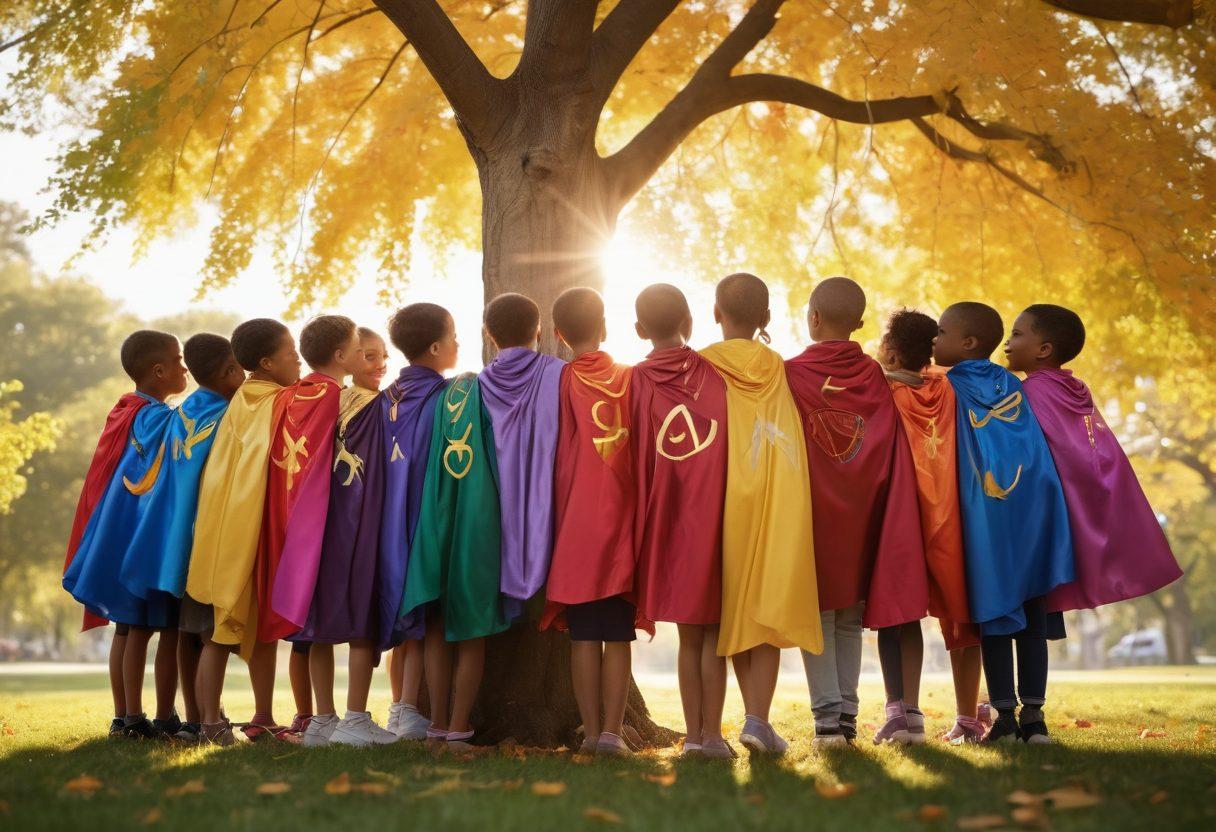
As we foster a culture of compassion and understanding, it’s important to remember that every little bit counts. Encouraging dialogue around cancer treatment options, providing resources for emotional support, and integrating holistic health strategies can light the way for survivors. By joining hands in this endeavor, we can not only change the narrative surrounding childhood cancer but also spark hope and resilience in every young warrior. After all, a supportive community doesn’t just nurture; it empowers, uplifts, and transforms lives.
Navigating Treatment: Essential Resources and Insights for Families Facing Childhood Cancer
As families step into the daunting world of childhood cancer, navigating treatment can feel like a stormy sea. One moment you're anchored in the familiar waters of daily life, and the next, you’re swept away by a torrent of medical jargon and unsettling emotions. The shadows of oncology loom larger than life, breathing uncertainty into the air, and leading families on a quest for clarity. So, how can one find their compass amid these stormy seas? Through essential resources and unwavering support, families can not only survive but thrive, turning the tide in favor of their loved ones. In this blog, we'll delve deep into the vital resources available for families facing childhood cancer, shedding light on their journey.
The journey begins with cancer education—the cornerstone of understanding the complexities of treatment and healing. Knowledge is power, my friends! Familiarizing oneself with the symptoms of cancer, treatment options, and the latest advancements in medical research can empower families to make informed decisions. What if you could transform fear into strength? By engaging with healthcare blogs and trusted sources, families can gather invaluable insights. Remember, information is the first step toward advocacy; the more we know, the stronger our voices become. Can your journey be a beacon of hope for others as you embrace this knowledge?
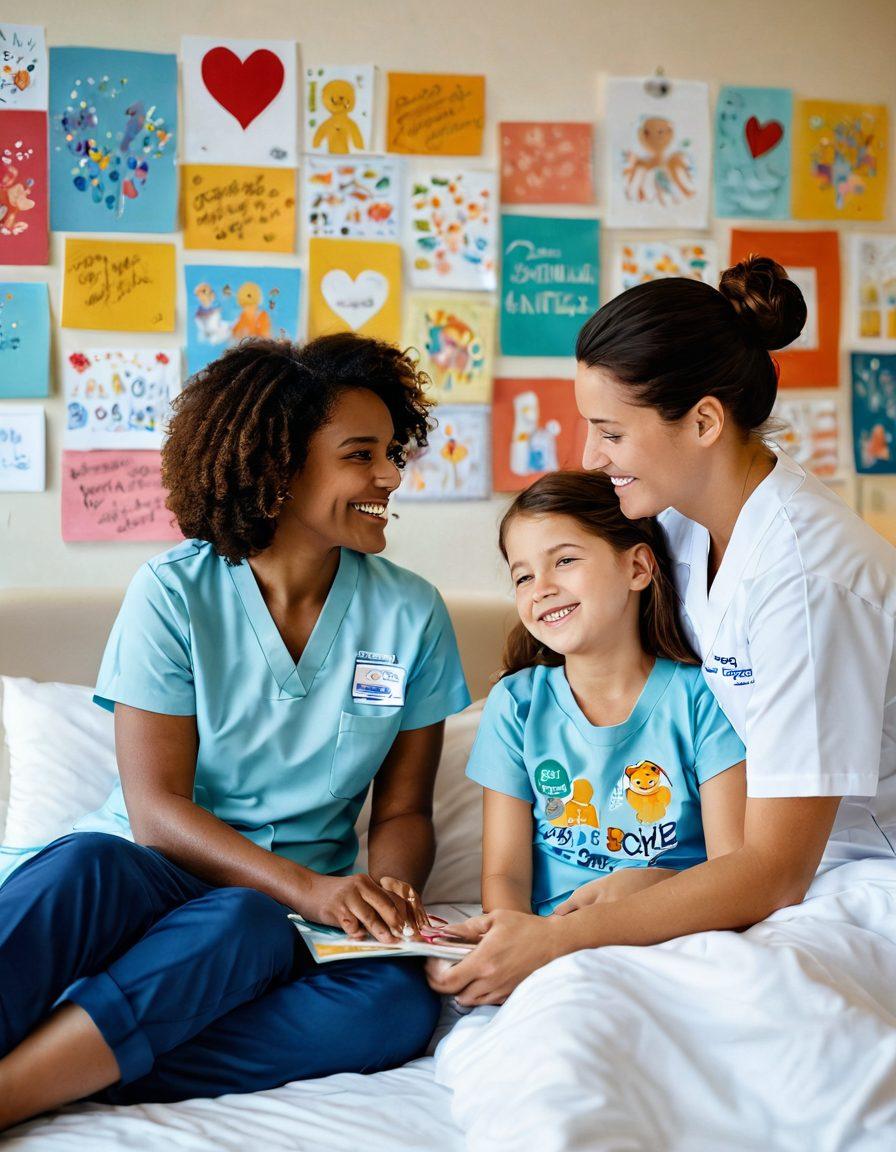
Support groups play a crucial role in fostering emotional support and camaraderie among families battling childhood cancer. Picture this: a space where laughter dances amid tears, where shared experiences become the stitches that mend the heart. In these groups, families find their tribe—individuals who understand their struggles, triumphs, and fears. The journey is undoubtedly challenging, but support groups offer a safe haven to exchange patient testimonials, celebrating victories and sharing advice on navigating treatment. Have you ever wondered how much lighter your burdens would feel with the support of those who truly understand?
Holistic health strategies are also making waves in cancer treatment. It’s about looking beyond just the medical aspects and considering the overall well-being of the patient. Integrative therapies such as mindfulness, nutrition, and physical activity can be powerful allies in enhancing the quality of life during treatment. Imagine a world where healing isn't solely about combating a tumor but nurturing the entire person—soul, mind, and body. By incorporating these practices into their daily routine, families can cultivate a holistic approach to health that supports their loved one through treatment and beyond. It's all about balance; how can you nurture both strength and serenity during tumultuous times?
Finally, the impact of awareness campaigns cannot be overstated. They are the relentless advocates calling attention to childhood cancer, ensuring that the cause is heard far and wide. Engaging in these campaigns not only raises tumor awareness but also fosters a robust cancer community dedicated to advancing cancer prevention and survivorship efforts. By sharing experiences and educating others, families can amplify their voices and inspire action. So, let your story ripple through others' lives—how will you contribute to the chorus of awareness as you forge ahead on this journey?